Apply
Tech Residency

Everyone says they have AI skills. Almost nobody can prove it.

Eight weeks. You join a small team, build a real product, and walk out with a Proof Pack a hiring manager can trust in minutes.

8 weeks
Start to demo day
20 seats
Four teams of five
Aug 10
Next cohort starts
1 product
Your idea or a company's

You can build. The market won't give you a shot to show it.

You've sent the applications. Dozens, maybe hundreds. Most got read by software and rejected before a person ever saw them.

You can do the work. You just don't have anything recent that proves it. And you already know "network more" isn't the answer.

So go make the proof yourself.

The Proof Pack

This is what you leave with, and it's the whole point of the program. Six things a hiring manager can open and check in about a minute. The work, reviewed and signed. Not a certificate that says you showed up.

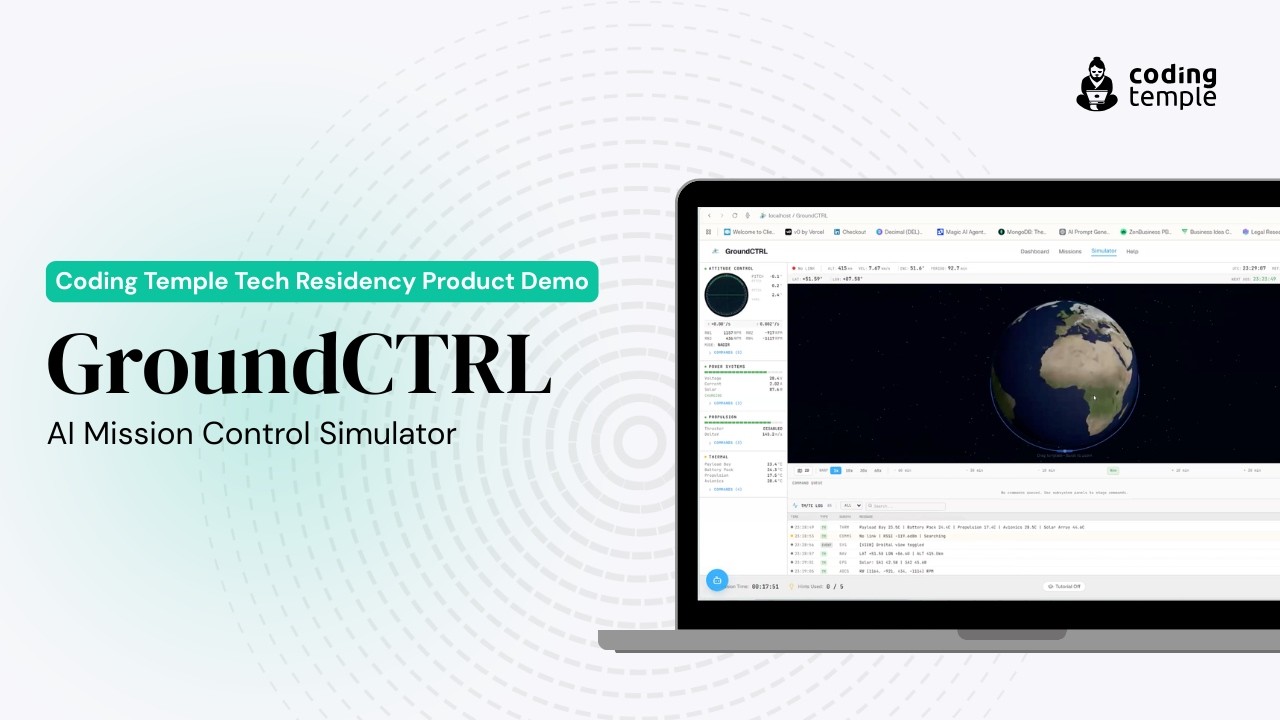
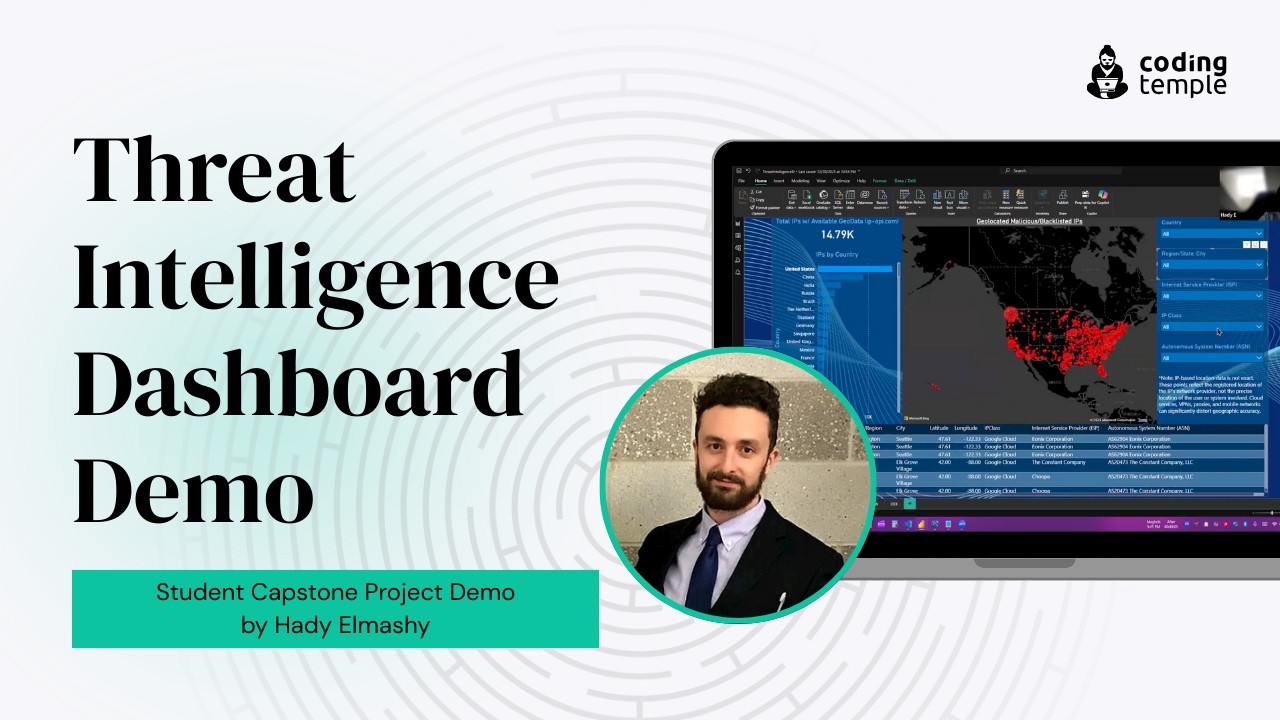
A Tech Residency resident demos an AI satellite mission-control simulator at final review

This is what the recorded demo looks like

A resident presents and defends an AI mission-control build at final review

The repo

The actual code your team shipped. Your commits, your history. Not a tutorial clone that looks like everyone else's.

A recorded demo

You on camera, walking through what you built and answering hard questions about it.

An evaluation report

How your work scored against a clear bar, written up by the engineer who reviewed it.

A security review

Someone checked your build for the holes a real company would care about, and wrote down what they found.

An expert sign-off

A working founder put their name on your work. That's the part a badge can't fake.

A decision record

The calls you made and why. The trade-offs, the things you'd do differently. This is the part that shows an employer you can think, not just type.

How it works

You're not dumped in a Discord and told good luck. You join a small team and build like one, on a real clock.

01

Join a small team

Five people, building together for eight weeks. Twenty residents, four teams. A real team, not a class.

02

Pick what you build

Your own idea, or a real project from a company in our catalog. Your call. Either way the stakes are real.

03

Ship like a team

Standups every day. A milestone every week. Demo day on Fridays. Sprints, the way the actual job runs.

04

A program manager runs it with you

Every day. He keeps the team moving, calls the milestones, and unblocks you when you're stuck.

Learn directly from a published AI researcher and industry expert who joins you every week

Not a lecturer. Jacob has peer-reviewed AI papers on arXiv and IEEE, and a live product he's raising for. He runs the weekly session and holds your work to the same bar he'd hold his own. Four weeks go to building. Four go to how he built and raised his company.

Technical / AI-native Founder journey Your team's milestone
WK01
Technical / AI-native

Build AI-first from day one

What it means to build with AI in the loop, and where it helps you versus where it quietly makes the decisions for you.

Team kickoff. Formed up, idea or company project chosen, first sprint scoped.
WK02
Founder journey

Idea to production: how Dupely got real

The unglamorous path from concept to a thing people can download and use. The grind that never makes the highlight reel.

Demo day. First working slice in front of the team and the expert.
WK03
Technical / AI-native

Architecture decisions that bite later

Raw compute vs. serverless. AWS vs. Azure vs. GCP. This database vs. that one. The real trade-offs behind a shipped product.

Milestone. Core architecture chosen and defended.
WK04
Founder journey

The boring foundations that make it a company

How to start an LLC for $50, get an EIN, set up the dull but load-bearing parts, and go from concept to a first dollar of revenue.

Demo day. Mid-program review: what is working, what to cut.
WK05
Technical / AI-native

Use AI to go faster, not to skip the thinking

How to move quicker without handing it the judgment calls. The syntax is cheap now. The decisions are the whole job.

Milestone. Feature-complete target locked for the final sprints.
WK06
Founder journey

The real pitch deck

The real deck Jacob used to raise Dupely's first round, and what investors look for behind the polite nods.

Demo day. Stakeholder review with the company, for catalog projects.
WK07
Technical / AI-native

Ship it: polish, harden, defend

Taking a product from "it works on my machine" to something you would put your name on, and getting ready to defend every decision in it.

Milestone. Release candidate. Demo reel recording begins.
WK08
Founder journey

From "a job" to "your own job"

What it looks like to keep going, and to build and launch your own thing if the market won't have you. Inspiration and a map, not a guarantee.

Final demo day. Present and defend your Proof Pack to the expert, the company, and your team.
There's a quieter idea running under this. The four founder weeks show how Jacob built Dupely and raised for it: the LLC, the first dollar, what investors care about. Learn to make your own job, not just land one. No pressure to. It's a door, if you ever want it.
Meet your mentor

Who you'll work with

The person in the room with you every week. He builds and raises an AI startup right now, and holds your work to the same bar he holds his own.

Who gets in

People who can already build and just need recent proof of it. Find yourself here:

  • Software engineers
  • Product managers
  • Product engineers
  • Designers
  • Data analysts
  • Cybersecurity
  • QA
  • Marketing engineers
  • Anyone building real things with AI

The common thread: you've got the skills, and nothing recent that proves it. You got a bad hand. This is how you deal yourself a better one.

There's a real bar to get in. Most people who apply won't.

Anyone can apply. Not everyone gets in, and that's on purpose. A score only counts for something if not everyone passes it. The bar is the reason the proof is worth anything at all.

Why this isn't a $5 badge or another bootcamp

There are cheaper options. They both fall apart the second someone asks a real question.

The cheap version
  • xA $5 "externship" that's a logo on LinkedIn for showing up never
  • xA bootcamp repo that looks like every other bootcamp repo, same tutorials
  • xNobody checked it, so nobody trusts it
  • xThe people who sell those say it themselves: nothing guarantees an offer
Tech Residency
  • +A real product your team shipped, on a real clock
  • +Reviewed, security-checked, and signed by a working engineer
  • +A recorded demo where you defend the decisions you made
  • +Proof a hiring manager can open and believe

The question every hiring manager asks is “what did you actually ship?” A badge can't answer it. Your Proof Pack does.

What's around you

This doesn't sit alone. It runs inside Coding Temple, which has trained people and gotten them hired since 2015. The career team here is the same one that already does it, and you keep it for life.

Program manager, daily

Someone keeps the team on the rails

Standups, milestones, demo days. You're not figuring it out alone in a Discord.

1:1 coaching

It doesn't stop when the program does

Real one-on-one career coaching during the eight weeks, and after, for as long as you need it.

A job blueprint

Resume to offer

Resume and LinkedIn sharpened, a personal brand worth a look, then real interview prep: data structures, algorithms, mock interviews, MAANG-style.

Network

People who can open a door

Guest speakers, employer workshops, an alumni Slack, and help negotiating the offer once it lands.

Coding Temple grads have been hired at companies like:
AccentureAmazonDeloitteCiscoDellLinkedIn
[PLACEHOLDER: confirm the hiring logos you're cleared to show.]

One company, three parts

Most programs are a single step that ends when they hand you a certificate. This one is part of something that goes further: a place that trains you, a place that proves you can do the work, and a real door into a job at the end.

Train

Coding Temple

Since 2015

Ten years of training people for tech work, with real employer relationships behind it.

Prove

Tech Residency

8 weeks

Where you build the Proof Pack: reviewed, defended evidence you can do the work.

Place

HTD Talent

High Trust Delivery

A real staffing company that places screened, U.S.-based tech talent into companies, productive in about 30 days.

Where the proof can lead

Clear the bar, and you can be put forward to HTD Talent

HTD places people into real jobs at real companies. The strongest residents can be put forward for placement through it. It's a pathway, not a guarantee. A door the proof can open, for the people who earn it. An externship can't place you. A staffing firm can't vouch for how you work. This does both.

HTD Talent

The market already gave up on degrees

Employers stopped trusting resumes and GPAs. They want to hire on proven skill. The catch is they can't tell whose skill is real.

73%
How far entry-level tech hiring fell this year. Across all levels, the drop is about 7%.
Ravio, 2026
70%
of employers now hire on skills, not the degree. GPA as a screen fell from 73% to 42% since 2019.
NACE, 2026
53%
say their single biggest problem is telling whether a candidate's skills are real.
National University / Forbes, 2026
182%
more applications per hire than in 2021. The people doing the screening are buried.
2026

Employers want to hire on skill. They just can't trust the proof in front of them. So we make proof they can.

What we promise. And what we won't.

We won't promise you a job. Nobody honest can. We won't quote you a salary or tell you you'll make 25% more. We don't know that, and anyone who says they do is guessing.

What we can do: hand you a working product, real time on a team, and a Proof Pack employers trust. Enough to get past the screen and into more rooms. The honest version is the whole pitch.

Proof good enough that you stop getting ignored.

[PLACEHOLDER: 2-3 real graduate testimonials, name + role + photo]
[PLACEHOLDER: verified Tech Residency NPS. Insert the real number, do not invent one]
[PLACEHOLDER: 2-3 real company-project examples from the catalog]

Questions, answered plainly

Is this a job guarantee?

No. Nobody honest can promise that, and you've heard enough empty promises. What you get is a working product, real team experience, and a Proof Pack employers trust. Career services helps you turn that into a stronger position when you go back out. That's a promise we can keep.

There is a real door, though. Coding Temple also runs HTD Talent, a staffing company that places people into jobs. The strongest residents can be put forward for placement through it. A pathway for the people who clear the bar, not a guarantee for everyone.

Do I bring my own idea, or work on a company's project?

Either. Build your own idea with your team, or take a real project from a company in our catalog. Both are real work on a real clock. Pick the one that gives you the story you want to tell next.

What's the time commitment?

Eight weeks, run like a real job: standups daily, milestones weekly, demo days, and sprints with your team.

Who's it for, and who isn't it for?

It's for people who can already build and need recent proof of it: software and product engineers, PMs, designers, data analysts, cybersecurity, QA, marketing engineers, anyone who builds with AI tools.

It's not a beginner bootcamp, and it's not for someone who wants to be told it'll all work out. If you want a certificate for showing up, this isn't it.

Why is there an admissions test?

Because a score only means something if not everyone passes. If we let everyone in, the Proof Pack would be worth about as much as a certificate, which is to say nothing. The bar is the point. Anyone can apply. Most won't get in.

What does it cost? Is there payment support?

Pricing and payment options show up when you apply. Tap any Apply button to see the full breakdown before you commit.

What exactly do I leave with?

Your Proof Pack: the repo your team shipped, an evaluation report, a security review, a record of the decisions you made, a sign-off from the engineer who reviewed it, and a recorded demo where you present and defend the work. Six things a hiring manager can check in about a minute.

What if I want to start my own company?

Four of the eight weeks are built for that. You'll see how Jacob took Dupely from an idea to a live product to a fundraise: the deck, the $50 LLC, the EIN, the first dollar of revenue. Not everyone leaves to start something. But you'll know what it takes if you ever want to.

Who runs it, and is he legit?

Jacob Galajda. He's a published AI researcher, with peer-reviewed work on arXiv and IEEE, co-authored with a university CS professor. He's also the co-founder and CTO of Dupely, a live AI product he's raising for. Don't take our word for it. Read the papers. A serious builder signs off on your work, which is the whole reason the bar means anything.

20 seats. Four teams. Starts August 10.

You have to get in first, and most who apply won't. If you can build and you've got nothing recent that proves it, this is the most direct way to fix that. When the teams fill, they fill.

8 weeks. Starts August 10. 20 seats. Your idea or a company's project.